Wise Spirit Collection at Mattapony Reserve Art, Culture and Visitor Guide
- GInger Custalow
- 1 day ago
- 5 min read

Some collections belong to a white-walled gallery. Others make more sense when you can hear birds outside, smell wet earth, and feel how closely art sits beside land. The Wise Spirit Collection at Mattapony Reserve belongs in that second group.
This is not just an art stop. It is a place where carved forms, natural materials, local memory, and river country meet. The collection invites a slower kind of looking, the kind that asks what a piece is made from, who it honors, what stories it carries, and why those stories matter in this part of Virginia.
For visitors interested in art, nature, and community heritage, the collection offers a grounded way to understand the area. It links creative work to the Mattaponi River region, Indigenous presence, local ecology, and the long relationship between people and place.

The collection connects art, land, and local memory
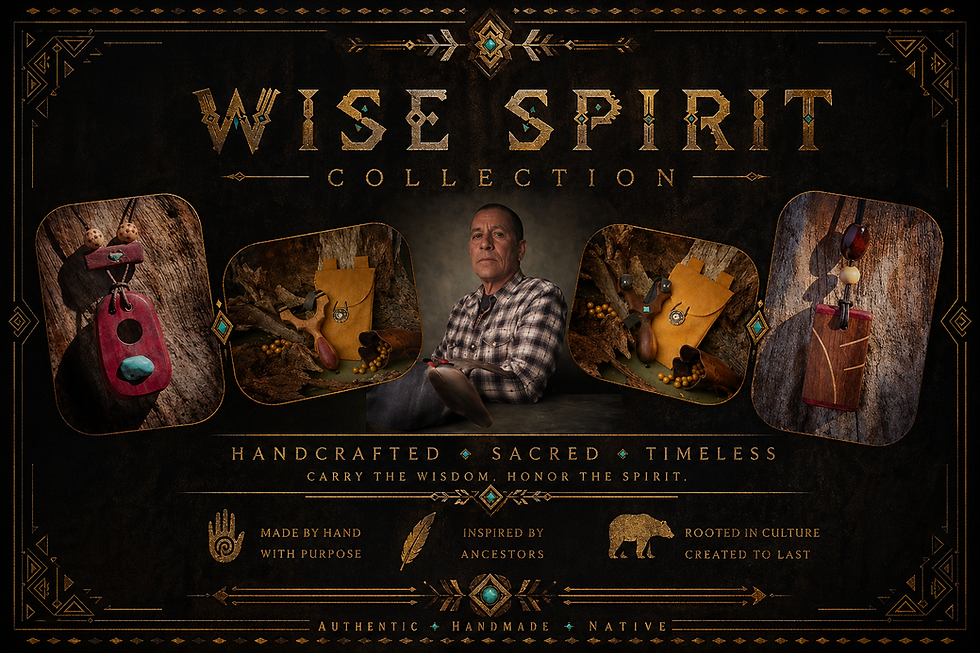
The name Wise Spirit suggests more than a display of objects. It points to a way of seeing. Wisdom here is tied to memory, patience, and care for the living world. Spirit is not treated as something separate from daily life. It appears in wood, clay, stone, fiber, beadwork, painted surfaces, and the stories that help visitors understand them.
Mattapony Reserve sits in a region shaped by water. The Mattaponi River and nearby wetlands have supported travel, foodways, wildlife, and community life for generations. Any art collection in this setting carries that context, even when a piece does not show the river directly.
The collection’s significance comes from that connection. It gives visitors a way to consider:
How local materials carry meaning
Wood, reeds, clay, shells, and natural pigments can connect a piece to the land where it was made or inspired.
How culture lives through stories
A carved figure or painted panel often works as a story holder, not just a decorative object.
How nature and heritage shape each other
River plants, birds, fish, and seasonal changes influence both daily life and artistic forms.
How community memory needs care
Collections like this can create space for learning, respect, and cultural continuity.
That last point matters. Heritage sites can too easily become places where visitors pass through quickly, take a few photos, and leave with only surface impressions. The Wise Spirit Collection asks for more attention. The best visit is quiet, curious, and respectful.
Key pieces to look for in the Wise Spirit Collection
Displays can change, and some works may rotate for conservation, programming, or community reasons. Before visiting, it is smart to check with Mattapony Reserve about what is currently on view. Still, several kinds of pieces often anchor the experience and help explain why the collection is meaningful.
Carved spirit figures invite close looking
Carved figures are often among the most powerful works in a nature-based heritage collection. They may be made from local or regionally significant wood, with visible grain, knots, tool marks, and natural curves left intact.
The most interesting feature is often not perfection. It is the way the artist works with what the material already offers. A bend in a branch may become a shoulder. A knot may become an eye. A split in the wood may suggest age, movement, or memory.
These figures can feel watchful without feeling distant. They often stand between human form and natural form, which fits the larger theme of the collection. They remind visitors that local culture is not separate from the land. It grows from it.
When viewing a carved figure, look for:
The direction of the gaze
Tool marks that show the maker’s hand
Natural flaws that became part of the design
Symbols connected to water, animals, plants, or ancestors
The way light changes the piece from one side to another
A good carved work rewards time. Walk around it if the display allows. Step back, then move closer. Notice whether the figure feels protective, reflective, welcoming, or solemn.

Fiber and basket forms show patience and skill
Basketry and fiber pieces can be easy to underestimate until you slow down. These works often hold deep knowledge of plants, gathering seasons, preparation methods, and hand techniques passed through observation and practice.
A woven object may tell a story through pattern rather than image. Repeated lines can suggest movement. Color shifts may echo riverbanks, marsh grasses, bark, or clay. The shape itself may reflect use, ceremony, or memory.
The unique feature of many fiber works is their balance of strength and delicacy. They can be practical and symbolic at the same time. A basket can hold food, tools, seeds, or offerings. It can also hold knowledge about where plants grow, when they should be gathered, and how they should be treated.
If the Wise Spirit Collection includes woven pieces during your visit, pay attention to the edges. Edges often reveal great skill. Look at how the maker finishes the rim, joins strands, and controls tension. These small details show patience.
Stone, shell, and clay pieces bring the ground into the gallery
Small objects can carry big stories. A clay vessel, worked stone, shell ornament, or simple hand-formed object may speak to trade, food, adornment, ceremony, or daily life.
Clay connects directly to earth and water. Shell points toward rivers, estuaries, and coastal exchange. Stone reflects patience, pressure, and long use. These materials remind visitors that culture is not only found in grand objects. It also lives in tools, vessels, and small forms shaped by hand.
When viewing these pieces, look at texture. A polished surface tells one kind of story. A rough, uneven surface tells another. Marks of use, repair, or weathering can make an object feel more alive, not less valuable.
How the collection reflects Mattapony Reserve’s natural setting
The collection gains much of its force from where it is seen. Mattapony Reserve is not a neutral container. The surrounding woods, water, and wildlife change how the art feels.
A carved fox inside the collection may call attention to the fox outside. A river form may make visitors notice the flowing Mattaponi River more carefully. A clay piece may shift attention toward the soil underfoot. This back-and-forth between object and environment is one of the strongest reasons to visit in person.
The Reserve setting also encourages a broader question: what does it mean to care for heritage and habitat together?
Art can help answer that question without turning it into a lecture. A visitor may arrive for the collection and leave thinking about river health. Another may come for a nature walk and discover how local stories shape the meaning of the land. That overlap is the heart of the experience.
Visitor information for planning a trip
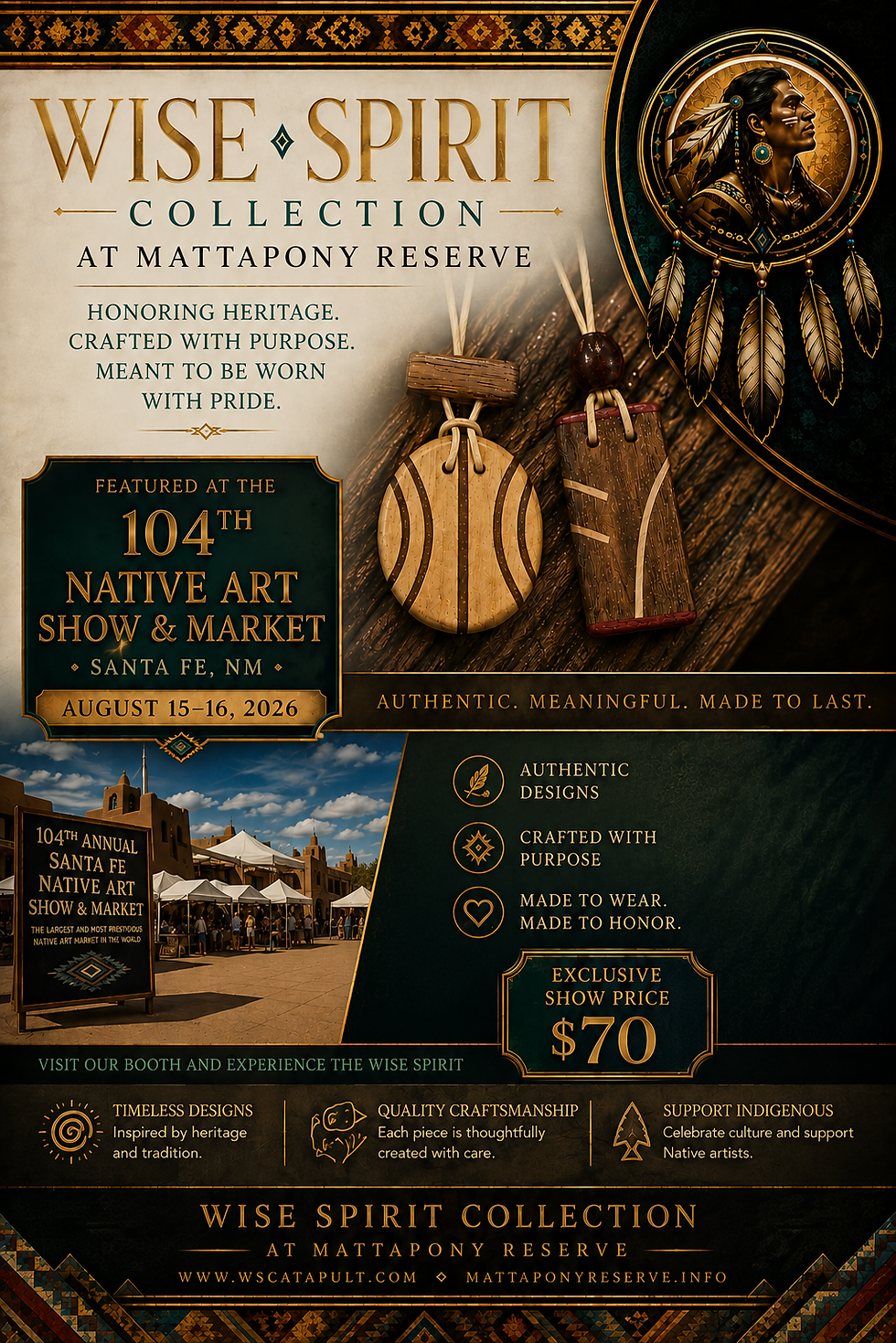
Visitor details can change by season, staffing, weather, and scheduled programming. Before making a special trip, confirm current information directly with Mattapony Reserve through its official website, visitor desk, or posted contact channels. Visit the Wise Spirit Collection on the mattaponyreserve.info website and the wscatapult.com website! We look forward to seeing you!


Comments